English


Views: 0 Author: Site Editor Publish Time: 2026-10-14 Origin: Site


Are rising utility bills destroying your hotel profit margins? Providing endless and reliable hot water for hundreds of guests is one of the most resource-intensive challenges in the hospitality sector. Imagine a fully booked resort at 7:30 AM. Hundreds of guests turn on their showers almost simultaneously. Meanwhile, the commercial kitchen fires up for breakfast service, and the basement laundry begins its first massive load.
Traditional boilers simply waste too much energy trying to keep up with this intense demand. They drive up daily operational costs and erode profits. However, the hospitality industry is undergoing a massive shift. Facility managers are rapidly moving away from outdated fossil-fuel infrastructure. You will learn exactly how modern thermal transfer technology solves these operational bottlenecks completely.
Massive Energy Savings: Upgrading your infrastructure can reduce water heating energy consumption by up to 70 percent compared to traditional electric or gas systems.
High Return on Investment: The initial capital expenditure is typically recovered rapidly through significantly lower monthly utility bills.
Eco-Friendly Operations: By drastically lowering carbon emissions, hotels can easily meet stringent green building standards and appeal to environmentally conscious travelers.
Reliable Guest Experience: A properly engineered central water system ensures stable and consistent water temperatures. This eliminates cold shower complaints during peak hours.
Future-Proof Technology: With intelligent controls and dual-purpose capabilities, modern heating solutions represent the gold standard for hotel facility management.
Managing a hotel requires a delicate balancing act. You must ensure premium guest comfort while adhering to strict operational budgets. One of the most significant hurdles facility managers face is the unique and heavy demand placed on a property plumbing infrastructure. Unlike standard residential buildings, hotels experience extreme peak demand windows.
During these critical morning and evening rushes, a robust central hot water system must seamlessly deliver hundreds of gallons of high-temperature water. This flow must reach top-floor penthouses, ground-floor kitchens, and on-site spas simultaneously.
Legacy gas or electric resistance water heaters struggle to meet these demands efficiently. Older technologies rely on generating heat from scratch through raw combustion or electrical resistance. This brute-force method requires massive amounts of continuous energy. Consequently, these outdated systems are notoriously expensive to run. They suffer from high standby heat loss and pose severe maintenance risks due to the constant thermal stress placed on their internal components. In today hyper-competitive hospitality market, reducing overhead expenses is a strict necessity.
To fully grasp the financial benefits, one must understand the underlying thermodynamics. Unlike a standard boiler that consumes fuel to create heat, an air-to-water heat pump operates on a vastly superior principle. It simply moves existing heat from one place to another.
The process is elegant and highly efficient. The unit utilizes a large industrial fan to draw in ambient air from the outside environment. Even on brisk days, this air contains usable thermal energy. The air washes over an evaporator coil filled with a specialized liquid refrigerant. This refrigerant absorbs the ambient heat and evaporates into a gas. The gas is then forced through a compressor. This specific action dramatically spikes its pressure and temperature. Finally, this intensely hot gas travels through a heat exchanger, transferring its thermal energy directly into the hotel water supply before condensing back into a liquid to repeat the cycle.
The true metric of this mechanical efficiency is the Coefficient of Performance. Traditional electric heaters max out at a Coefficient of Performance of 1.0, meaning one unit of electricity yields exactly one unit of heat. By stark contrast, modern variable frequency units frequently operate with a Coefficient of Performance between 3.0 and 4.0 or higher. For every single kilowatt of electricity consumed, the system yields three to four kilowatts of thermal energy. When connected in a modular cascade to massive and highly insulated storage tanks, this setup slowly and cheaply builds a massive reserve of hot water during off-peak night hours. It is then ready to be deployed instantly when the morning rush begins.
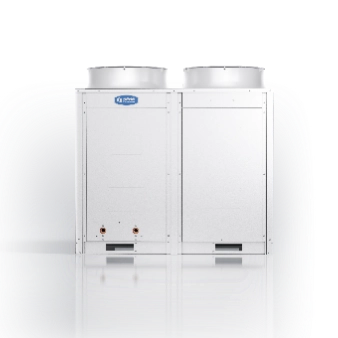
Transitioning away from fossil fuels requires careful capital planning, but the empirical data strongly supports the upgrade. Here are the core operational advantages this technology offers to the lodging sector.
The primary catalyst for adopting this technology is the dramatic plunge in daily operational costs. Because the system relies on harvesting ambient heat rather than burning fuel, electricity consumption drops off a cliff. This high efficiency translates directly into thousands of dollars saved on monthly utility bills. While the upfront installation cost is undeniably higher than swapping out an old gas boiler, the long-term return on investment is exceptional. Many properties report that the sheer energy savings pay for the entire system upgrade within two to five years. After that break-even point, the reduced utility costs transform directly into pure operational profit.
Environmental sustainability has evolved from a niche marketing angle into a strict corporate mandate. Deploying a hotel hot water heat pump drastically severs a property reliance on fossil fuels. By shifting the thermal load from natural gas to electricity, hotels significantly slash their direct carbon emissions. This electricity can be increasingly sourced from renewable solar or wind grids. This transition is absolutely vital for properties aiming to achieve or maintain prestigious green certifications like LEED or BREEAM. Modern travelers actively seek out and book accommodations that demonstrate a verifiable commitment to protecting the environment.
Guest satisfaction remains the undisputed lifeblood of the hospitality industry. A single cold shower can trigger a cascading series of negative online reviews that tarnish a brand reputation for months. When engineered correctly and paired with adequate thermal storage, these advanced arrays provide an incredibly stable supply. Advanced variable-speed circulation pumps ensure that water pressure and temperature remain rock-solid. This guarantees that a guest in the penthouse enjoys the exact same luxurious shower experience as someone on the ground floor.
Traditional gas boilers inherently introduce severe safety risks into a building. They require active and pressurized gas lines, exhaust flues, and open combustion chambers. This creates potential hazards ranging from silent carbon monoxide leaks to catastrophic gas explosions. Modern thermal units eradicate these risks entirely. Operating solely on electricity and a sealed refrigerant circuit, there is absolutely zero combustion taking place. This creates a vastly safer environment for guests and staff alike. Furthermore, it simultaneously eliminates the heavy costs associated with strict municipal gas safety inspections.
Commercial boilers endure brutal internal temperatures. This causes rapid degradation of burners, heat exchangers, and exhaust flues. Conversely, thermal transfer units operate at much lower internal temperatures. They feature fewer mechanical parts exposed to extreme thermal stress. This naturally results in less frequent invasive maintenance. Routine upkeep typically involves simple tasks like inspecting fan blades, cleaning evaporator coils, and verifying refrigerant pressures. With diligent preventative care, these systems can reliably operate for 15 to 20 years. They easily outlast traditional boiler counterparts.
One of the most fascinating and often overlooked engineering advantages is the byproduct of the heating cycle. As the unit extracts thermal energy from the ambient air, it continuously expels a stream of cool and dehumidified air. In a cleverly designed commercial mechanical room, this cool exhaust can be strategically ducted into zones that constantly battle overheating. These areas include bustling commercial laundry rooms, stifling hot kitchens, or subterranean IT server rooms. This free cooling effectively slashes the load on the hotel primary HVAC chiller, compounding the overall energy savings across the entire property.
For facility directors sitting at the bottom of the purchasing funnel, a direct technical comparison is vital for justifying capital expenditure. Investing in modern infrastructure offers distinct and measurable advantages over legacy systems.
Feature or Metric | Air-Source Heat Pump | Electric Resistance Heater | Natural Gas Boiler |
|---|---|---|---|
Energy Efficiency | 300 to 400 percent or higher | 90 to 100 percent | 80 to 95 percent |
Operating Costs | Very Low | Very High | Moderate to High subject to market volatility |
Carbon Emissions | Low dependent on local grid | Moderate | High due to direct fossil fuel combustion |
Safety Risks | Minimal as there is no combustion | Low | Higher risk of carbon monoxide and gas leaks |
Initial Investment | High | Low | Moderate |
In contrast to standard electric heaters, the difference boils down entirely to raw energy consumption. Electric resistance relies on brute force. It draws massive electrical amperage to heat submerged metal elements. Thermal transfer technology uses a mere fraction of that electricity simply to power a compressor and a fan. This fundamental difference results in up to a 75 percent reduction in electrical usage for the exact same volume of hot water.
While natural gas has historically been viewed as a cheap utility, fluctuating global energy markets make future operating costs highly unpredictable. Gas boilers also suffer from efficiency degradation over time due to internal scale buildup and poor combustion. Upgrading guarantees predictable and stable operating costs. As local municipalities increasingly implement aggressive carbon taxes and phase out commercial gas hookups, transitioning now ensures your property avoids future regulatory penalties.
Transitioning from traditional boilers to a modern thermal transfer system is not a simple plug-and-play affair. It requires rigorous engineering analysis and strategic planning. Instead of relying on abstract estimates, hotel owners must evaluate concrete technical parameters to ensure the new commercial heat pump water heater delivers the expected return on investment without compromising operational flow.
Accurate sizing is the most critical step in designing a reliable architecture. If a system is undersized, the recovery rate will inevitably fall behind the consumption rate during the morning rush. This results in tepid water delivery. Conversely, an oversized system ties up unnecessary capital and leads to short-cycling of the compressors, which degrades the equipment prematurely.
Engineers must calculate the precise thermal load. A standard rule of thumb for business hotels is planning for 15 to 20 gallons of hot water per room during the peak morning hour. For a 100-room property, your storage and recovery system must handle a 2000-gallon dump load effortlessly. You must balance the storage tank volume against the recovery rate of the heating unit to ensure the massive reservoir is always ready.
Because these units extract thermal energy from the surrounding environment, their efficiency is directly influenced by ambient air temperatures. Historically, facility managers in northern climates were hesitant to adopt this technology. However, modern engineering has largely erased this concern.
Specifically, industry-leading models like the TENESUN KFXRS-42IIBP-A1 utilize variable frequency technology and Enhanced Vapor Injection compressors. Coupled with specialized low-temperature refrigerants, this allows the equipment to absorb heat energy even when outside temperatures plummet to -25 degrees Celsius or -13 degrees Fahrenheit. For properties located in extreme winter climates, this advanced anti-freezing and intelligent defrosting technology ensures uninterrupted operation without relying heavily on expensive backup electric heaters.
The physical footprint and placement of the equipment are crucial logistical factors. These units require a massive volume of continuous air circulation to function efficiently. If installed in a confined or unventilated basement, they will simply recirculate their own cold exhaust air. This drastically suffocates their operational efficiency.
Open rooftops, spacious parking garages, or well-ventilated mechanical yards are optimal. From a structural standpoint, engineers must also account for acoustic management. Using vibration isolation mounts prevents low-frequency humming from disturbing top-floor guest suites. Additionally, you must ensure the building can support the immense static weight of the supplementary water storage tanks.
Recent market analyses reveal a decisive and industry-wide pivot toward building electrification. Driven by aggressive Environmental, Social, and Governance goals alongside tightening municipal regulations, the hospitality sector is rapidly decarbonizing.
Cities across the globe are beginning to ban new commercial gas hookups. This legislative shift forces legacy properties to rethink their mechanical infrastructure completely. The future of commercial plumbing is defined by deep intelligence, grid interactivity, and strict environmental stewardship. We are observing a massive trend where hotels are integrating their water heating systems directly with building management software. This allows for predictive maintenance and dynamic load shifting. By heating water during off-peak electrical grid hours, hotels act as thermal batteries, further slashing operational costs while supporting local grid stability.
The utility of this technology extends far beyond simply providing domestic hot water for morning showers. By viewing the hotel as a holistic energy ecosystem, facility managers can unlock unprecedented operational efficiencies.
Modern commercial arrays are highly versatile. Through advanced integration, they can be tied directly into the broader HVAC infrastructure of the building. Consider the cooling demands of a sprawling resort. Areas like glass-walled lobbies, crowded conference centers, and server rooms require continuous air conditioning. Traditional chillers extract this unwanted heat and vent it uselessly into the sky. A heat recovery setup captures this rejected thermal energy and redirects it straight into the domestic water supply. In this simultaneous mode, the system effectively provides free hot water as a byproduct of the necessary air conditioning cycle. This plummets the total energy use intensity of the building.
Swimming pools represent one of the largest continuous thermal sinks in any lodging facility. Maintaining a massive body of water at a comfortable 29 degrees Celsius year-round using gas is notoriously expensive. Because pools require a relatively low delivery temperature compared to domestic sanitary water, thermal transfer units can operate at their absolute maximum efficiency here. The Coefficient of Performance for pool heating frequently exceeds 5.0 or 6.0, drastically reducing the overhead required to maintain luxury amenities.
Upgrading your hotel water heating infrastructure is no longer just an eco-friendly talking point. It is a highly strategic financial decision. Moving away from outdated combustion boilers lowers daily operating costs and dramatically boosts property sustainability. Most importantly, it guarantees that your guests will always enjoy reliable and luxurious showers.
Do not let outdated equipment drain your operational budget. Evaluate your current mechanical equipment today to plan a seamless upgrade. For industry-leading performance, explore the advanced commercial solutions at TENESUN. Their variable frequency and low-temperature capable units are engineered specifically to handle the heavy, relentless demands of the modern hospitality sector.
With proper routine maintenance, a commercial-grade unit typically boasts a lifespan of 15 to 20 years. This longevity often exceeds that of traditional commercial gas tank heaters. Because they operate without the intense thermal stress, explosive combustion processes, and corrosive byproducts associated with burning fossil fuels, the internal components simply last longer. Regular servicing of the compressors, fans, and heat exchangers is crucial to achieving this maximum lifespan.
Yes, they absolutely do. Modern units are engineered with Enhanced Vapor Injection technology and specialized cold-weather refrigerants. This allows them to extract latent heat from the air even when ambient temperatures drop as low as -25 degrees Celsius. While the overall efficiency will decrease compared to operation in mild spring weather, they still consume significantly less energy than traditional electric resistance boilers. For extreme sub-zero climates, they are often integrated with a backup heating source to handle absolute peak loads during severe winter storms.
The return on investment generally ranges from two to five years. Although the initial capital expenditure is notably higher than purchasing standard gas boilers, the system typically reduces water heating energy consumption by 50 to 70 percent. The exact payback period depends heavily on your local commercial electricity rates, the fluctuating cost of natural gas, the average occupancy rate of the hotel, and the availability of local government or utility rebates designed to incentivize energy-efficient equipment.
Absolutely. In many retrofit scenarios, a complete mechanical tear-out is completely unnecessary. A new unit can be seamlessly integrated to work alongside your existing insulated storage tanks. Facility managers often utilize a hybrid configuration where the new equipment serves as the primary workhorse, handling the daily base load efficiently. The existing gas or electric boilers are simply retained and reconfigured to act solely as a supplementary backup. They engage only during unprecedented peak demand periods or scheduled maintenance shutdowns.
Sizing depends heavily on your peak hour demand rather than just the room count. A standard business hotel typically requires 15 to 20 gallons of hot water per room during the morning rush. Therefore, a 100-room hotel would need a system capable of delivering roughly 2000 gallons during that peak window. Engineers achieve this by combining a high-capacity thermal unit with heavily insulated storage tanks. The exact kilowatt rating of the unit will be calculated based on your required recovery time and the local ambient winter temperatures.
Modern commercial units are designed with advanced acoustic management. They utilize variable frequency compressors and aerodynamic fan blades that significantly reduce operational noise. However, because they move massive volumes of air, they do generate a low-frequency hum. To ensure guest comfort, engineers install these units on vibration isolation mounts and place them in strategic locations. Rooftops, mechanical yards, or dedicated equipment decks are ideal. When properly sited, the noise is entirely imperceptible from guest rooms.


