English


Views: 0 Author: Site Editor Publish Time: 2026-10-09 Origin: Site


Do you think electric heating systems are destined to fail in freezing winter weather? For decades, homeowners in frigid regions shared a common fear. They dreaded facing exorbitant winter heating bills. Worse, they feared shivering through a blizzard because their outdoor equipment froze entirely. Historically, this apprehension was completely justified. The HVAC landscape, however, has undergone a radical transformation.
Modern engineering solves the sub-zero heating problem with remarkable effectiveness. As heat pump technology advances, surviving a harsh winter no longer requires burning oil or gas. In this comprehensive guide, we will break down the exact science behind extracting warmth from freezing air. You will discover the specific mechanical upgrades to look for and learn how to properly prepare your home's thermal envelope for the extreme cold.
Key Takeaways
Proven Performance: Modern cold climate systems can efficiently heat homes in temperatures plummeting to -13 degrees Fahrenheit or even lower.
The Science of Heat: Freezing air still contains abundant ambient thermal energy. Advanced compressors extract and concentrate this invisible energy to warm your indoor spaces.
Refrigerant Matters: Upgrading to next-generation fluids ensures superior heat transfer. This results in higher efficiency in extreme cold and a significantly reduced environmental footprint.
Cost Efficiency: Performance metrics drop slightly during extreme cold snaps. However, these systems remain up to 300 percent more efficient than traditional gas or electric resistance heaters.
Hybrid Options: Depending on your local climate zone and home insulation levels, you can rely entirely on electric heating or pair it with a backup furnace for a dual-fuel setup.
From an engineering standpoint, the definitive answer is yes. The HVAC industry has experienced a massive technological shift over the last decade. This evolution fundamentally alters how electric heating performs in the dead of winter. Historically, homeowners in northern regions were advised to stick exclusively with fossil fuels. Older generations of this technology simply lacked the mechanical fortitude required to capture warmth when temperatures nose-dived.
Recent market analyses indicate a massive surge in adoptions across these historically frigid regions. This is not merely a temporary market fluctuation. Driven by volatile fossil fuel prices and expanding government decarbonization incentives, the transition to electric heating is accelerating rapidly. Industry data shows that cold-climate models are swiftly replacing traditional gas furnaces in northern territories. Utility companies are even restructuring their grid plans to accommodate this winter electrification trend.
Modern engineering has completely rewritten the rulebook. Legacy models typically lost significant heating capacity when outdoor temperatures dropped below 40 degrees Fahrenheit. Today’s advanced systems are built entirely differently. They are engineered to retain full heating capacity well below freezing. This transition to the modern air source heat pump provides a highly reliable, energy-efficient primary heating source for the most brutal climates.
To grasp how heating is mathematically possible in sub-zero weather, look at an appliance sitting in your kitchen. Your refrigerator keeps groceries cold not by magically generating cold air. Instead, it absorbs the heat from inside the cabin and exhausts it out the back. Thermal transfer technology uses the exact same thermodynamic principles, just on a much larger scale and in reverse. It absorbs ambient thermal energy from the biting outdoor wind, compresses it to multiply its temperature, and then transfers that concentrated warmth into your living room.
A frequent question from skeptical buyers is how a machine can pull heat from air that is already freezing. The answer lies in the physics of thermal energy. Scientifically speaking, cold is not a physical substance. It is merely the absence of heat. Thermal energy exists in the atmosphere all the way down to absolute zero, which sits at an unfathomable -460 degrees Fahrenheit. Consequently, even when your patio thermometer reads -10 degrees, there is still a massive amount of latent thermal energy swirling in the air. A properly designed low-temperature heat pump is highly adept at capturing this invisible energy.
Older systems relied on single-speed compressors. They were either blasting at maximum capacity or completely shut off. This constant, jarring on-and-off cycling was highly inefficient. It also made the outdoor coils highly susceptible to freezing solid. Modern systems utilize advanced inverter-driven compressors. Think of an inverter like the accelerator pedal in a modern car. Instead of slamming on the gas and then hitting the brakes, the compressor adjusts its operational speed in tiny, continuous increments. By running constantly at lower, optimized speeds, it prevents ice blockages, reduces mechanical wear, and maximizes winter efficiency.
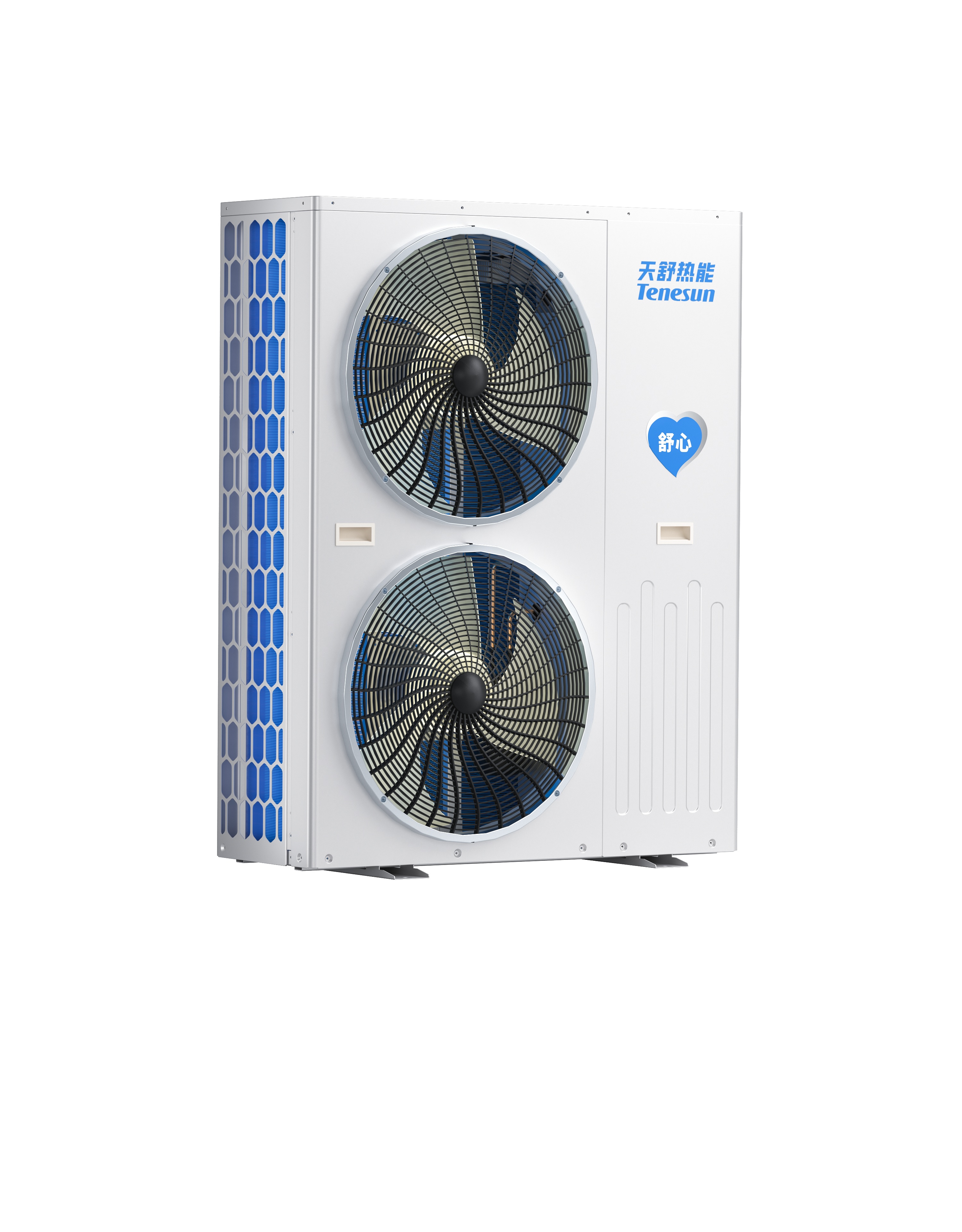
Understanding the distinction between standard and cold-climate models is a critical step for those living in freezing regions. Installing the wrong type of machinery will inevitably lead to shivering nights and inflated electricity bills.
Standard units are designed primarily for moderate climates where winter temperatures rarely dip below freezing. When exposed to a harsh northern winter, the fluid inside a standard unit struggles to absorb enough ambient energy. To compensate, these traditional systems rely heavily on electric resistance backup strips. Electric resistance heating is notoriously expensive. It often costs three to four times as much as running the compressor itself, which entirely defeats the purpose of installing an energy-efficient appliance.
Systems built specifically for the cold are engineered from the ground up to survive extreme weather. If you walk past a standard unit in January, you might hear it rattling as ice encases the fan blades. Cold-climate variants prevent this through specific mechanical upgrades:
Enhanced Vapor Injection: This technology acts like a turbocharger. It injects a secondary stream of heated vapor into the compression cycle. This allows the system to output significantly hotter air even when the outdoor temperature is well below zero.
Larger Coil Surface Areas: These models feature oversized outdoor coils. The increased surface area acts like a larger net, capturing more ambient heat from the freezing wind.
Redesigned Base Pans with Heaters: In standard units, condensation can easily freeze in the bottom of the outdoor chassis. Winter-ready models feature redesigned drainage paths and built-in base pan heaters that automatically melt away dangerous ice buildup.
The efficiency of any thermal transfer system relies heavily on the chemical properties of the fluid flowing through its copper veins. For decades, older refrigerants dominated the market. Regulatory shifts toward lower Global Warming Potential solutions and the demand for higher winter performance have pushed manufacturers toward far better alternatives.
Upgrading to an R32 heat pump fundamentally changes how a home handles extreme cold. R32 is a single-component fluid that boasts superior thermodynamic properties. It has a higher volumetric cooling and heating capacity, meaning it carries more thermal energy per ounce. This chemical advantage makes the equipment exceptionally effective at absorbing and transferring heat in sub-zero conditions. The system warms your home faster and maintains stable indoor temperatures with much less electrical input.
Because this specific fluid absorbs and releases heat so effortlessly, it dramatically reduces the mechanical strain placed on the compressor. In extreme cold, older compressors work overtime to generate sufficient heat, leading to premature breakdowns. Take the KSR-28-BP-CA1 model as a prime example of modern engineering. By utilizing R32, this unit delivers a highly competitive price point alongside a remarkably long service life. The optimized pressure levels allow the compressor to operate smoothly and quietly, ensuring years of reliable winter warmth.
While modern technology is incredibly resilient, it is important to approach performance expectations with objective realism. Extreme cold does impact efficiency. Understanding this curve is vital for proper system design.
Efficiency in this industry is measured by the Coefficient of Performance. This metric represents the ratio of heat output to electrical energy input. For example, a rating of 3.0 means that for every dollar of electricity the system consumes, it produces three dollars worth of heat energy. By comparison, even the most high-end natural gas furnaces max out at about 98 percent efficiency because they generate heat by burning fuel rather than simply moving ambient warmth.
It is an empirical fact that as outdoor temperatures drop, the efficiency ratio also drops. At a mild 45 degrees, a modern system might operate at a very high efficiency level. As the temperature drops below zero, that ratio will naturally decline. However, it is crucial to recognize that even a reduced ratio remains highly efficient. On the coldest, most miserable days of the year, this technology remains significantly more energy-efficient than traditional electric baseboards or standard gas furnaces.
Making an informed purchasing decision requires a balanced look at both the advantages and the potential drawbacks of this advanced technology.
Pros of Low-Temperature Systems | Cons of Low-Temperature Systems |
|---|---|
Massive Utility Savings: Highly efficient operation drastically reduces winter heating bills compared to propane, oil, or electric resistance heat. | Higher Upfront Costs: Advanced cold-climate technology and inverter compressors require a larger initial investment than standard furnaces. |
Safety and Air Quality: Eliminates the risk of carbon monoxide leaks and does not produce dry, combusted indoor air. | Insulation Dependency: To achieve advertised efficiencies, the home must be properly weatherized and insulated. |
Year-Round Comfort: Acts as a two-in-one system, seamlessly reversing its cycle to function as a high-efficiency air conditioner during the summer months. | Clearance Requirements: Outdoor units must be kept clear of heavy snowdrifts and ice accumulation to ensure proper airflow. |
Investing in new HVAC equipment is a significant financial decision that requires careful technical evaluation. When you live in a region that experiences harsh winters, you cannot afford to rely on guesswork. Selecting the correct machinery involves understanding industry efficiency metrics, ensuring precise equipment sizing, and evaluating the current state of your home’s thermal envelope.
Furthermore, you must carefully consider the specific heat pump application required for your property. The heating demands of a sprawling single-family home differ vastly from those of a multi-story commercial building or a compact townhouse. By focusing on objective data and proven engineering standards, you can identify a system that delivers reliable warmth without overwhelming your utility budget.
To evaluate winter efficiency accurately, you must look at the Heating Seasonal Performance Factor. Recently, the Department of Energy updated this metric to include more rigorous testing procedures that better reflect real-world operating conditions. This rating measures the total space heating required during the heating season divided by the total electrical energy consumed. For homeowners in cold climates, standard baseline efficiency is no longer sufficient. Systems engineered specifically for extreme cold often utilize advanced compressors to maintain exceptionally high ratings even when a blizzard hits.
One of the most critical steps in choosing equipment is ensuring it is correctly sized for your specific home. In the HVAC industry, sizing does not refer to the physical dimensions of the metal box outside. It refers to the heating and cooling capacity measured in BTUs or tons. A qualified contractor must perform a standardized Manual J load calculation. Avoid the temptation to simply install the largest unit available. An oversized unit will short-cycle, turning on and off too frequently. This wastes electricity and increases wear on the compressor. Conversely, an undersized unit will run continuously without ever reaching your desired indoor temperature.
Even the most advanced technology will struggle to maintain comfort if your home leaks thermal energy like a sieve. Before installing a new heating system, conduct a comprehensive home energy audit. Weatherization involves securing your home’s thermal envelope to prevent heat from escaping. Add high-density insulation to the attic. Seal gaps around window frames with weatherstripping. Ensure that all ductwork is properly sealed. By reducing the overall heating load of your home, you allow the equipment to operate at its lowest, most efficient speed.
Once you install a high-quality system, ongoing maintenance becomes essential to ensure it operates at peak efficiency. Unlike traditional gas furnaces housed entirely indoors, this technology relies on a vital outdoor condenser that is constantly exposed to the elements. Knowing how to protect the unit from winter hazards will prevent unexpected breakdowns.
A common source of anxiety for new owners is the defrost cycle. When the outdoor temperature drops near freezing, moisture in the air condenses and freezes on the outdoor copper coils. If a thick layer of ice forms, it acts as an insulator, blocking the transfer of heat. To combat this, modern units are equipped with automatic defrost controls. When sensors detect ice buildup, the system temporarily reverses its operation. It takes warm air from inside the house and sends it to the outdoor coils to melt the ice. You may notice the outdoor fan stop spinning, and a cloud of steam may rise from the unit. This is a completely normal, engineered function.
Because the system requires an unobstructed flow of ambient air to function, keeping the outdoor unit clear of winter debris is a critical task. Ensure there is adequate clearance around all sides of the condenser. After a heavy snowstorm, gently brush away any snow that has accumulated on the top or sides using a soft broom. Do not hack away at the ice with a shovel or ice pick. You risk puncturing the delicate aluminum fins or the pressurized refrigerant lines.
When installing equipment in a snowy region, ground-level placement is a critical error. Prevent the unit from being buried under snowdrifts or sitting in a puddle of its own melted defrost water by elevating the outdoor condenser. Installers typically use heavy-duty snow stands, risers, or wall-mounted brackets to lift the unit above the historical average snowfall line for your specific region. This elevation protects the system from snow suffocation and provides proper drainage.
Standard older models typically begin to lose significant heating capacity when outdoor temperatures drop below 30 degrees Fahrenheit, requiring a heavy reliance on backup heating. However, modern technology has shifted this baseline entirely. Dedicated cold-climate models utilize enhanced vapor injection and variable-speed compressors to remain highly effective down to -13 degrees Fahrenheit. Even at these extreme sub-zero temperatures, the system can still extract ambient thermal energy, though its overall efficiency will be lower than it is during mild autumn weather.
Yes, and this continuous operation is exactly how the system is designed to function optimally. Unlike older single-stage furnaces that blast hot air and then shut off completely, modern inverter-driven units operate on a variable-speed basis. They run continuously at a low, steady speed to maintain a consistent indoor temperature. This modulated operation uses significantly less electrical energy than the constant stopping and starting of traditional HVAC systems, resulting in lower utility bills and less mechanical wear.
Absolutely not. The system relies entirely on drawing massive volumes of outdoor air across its coils to extract heat energy. Placing any type of cover, tarp, or custom wrap over the unit will suffocate the machinery, severely restrict airflow, and cause the compressor to fail. The exterior casing is engineered to withstand rain, snow, and ice. Your only responsibility is to gently brush away heavy snow accumulations from the vents.
In the majority of scenarios, electric heat transfer is cheaper to operate because it does not consume combustible fuel to generate heat. It simply uses a small amount of electricity to move existing ambient warmth. A high-quality unit can deliver up to 300 percent efficiency, whereas the most efficient gas furnaces max out at around 98 percent. However, exact cost savings depend heavily on your local utility rates. If you live in an area with exceptionally high electricity costs and very cheap natural gas, a dual-fuel setup often provides the most cost-effective balance.
Whether you need a secondary heat source depends entirely on your local climate zone and the thermal envelope of your home. In regions where temperatures routinely plunge below -20 degrees Fahrenheit for weeks at a time, HVAC professionals often recommend a dual-fuel hybrid system. This setup pairs the electric unit with a backup gas or oil furnace. The electric system handles the heating for the vast majority of the winter, and the backup furnace only ignites during the most extreme cold snaps.
Electricity consumption increases as the temperature drops because the compressor must work harder to extract heat from freezing air. During mild winter days, a modern system might draw very little power to maintain comfort. When temperatures plummet below zero, the system will draw more wattage to sustain indoor temperatures. However, because of the high Coefficient of Performance, it still consumes significantly less electricity than traditional electric baseboards or space heaters running under the exact same conditions.
Modern HVAC technology easily handles the harshest freezing temperatures. You no longer have to compromise between shivering through the winter and paying exorbitant fossil fuel bills. Choosing an advanced low-temperature system ensures reliable, eco-friendly home heating year-round. Proper sizing, thorough home weatherization, and basic seasonal maintenance will keep your equipment running efficiently for decades. By making the switch to modern electric heating, you lower your monthly energy costs while significantly reducing your household carbon emissions. If you are ready to upgrade your home heating strategy, explore the robust lineup of reliable, winter-ready systems at Tenesun Heat Pump to find the perfect engineering match for your specific winter demands.


