English


Views: 0 Author: Site Editor Publish Time: 2026-10-04 Origin: Site


Many pool owners dream of swimming comfortably well past the standard summer months. You naturally want to extend your swimming season for maximum enjoyment. However, you likely face unpredictable and rapidly rising energy bills. The heating decision usually comes down to two primary technologies. Making the wrong choice often leads to thousands of dollars in wasted utility costs. Alternatively, you might end up staring at a pool too cold to use when you actually want a dip. This guide provides an objective, data-backed comparison of upfront costs and monthly operating expenses. We will explore essential efficiency metrics and specific geographic climate constraints in detail. You will gain the exact knowledge needed to make a financially sound heating decision for your backyard oasis.
A swimming pool heat pump costs more upfront but generally operates at a significantly lower monthly cost (often 50% to 80% less) compared to gas heaters.
Gas heaters provide rapid, on-demand heating regardless of the weather, making them ideal for spas or infrequent weekend heating.
Geographic location dictates heat pump efficiency; they require ambient air temperatures above 50°F (10°C) to function economically.
Understanding how these systems work helps you evaluate their overall efficiency. They use entirely different mechanical methods to warm your water. Choosing the right one requires knowing exactly where the warmth comes from.
A swimming pool heat pump extracts ambient heat from the outside air. Inside the unit, a fan pulls warm air across an evaporator coil. This coil contains a liquid refrigerant. The refrigerant absorbs the ambient heat and turns into a warm gas. The compressor then takes this warm gas and squeezes it tightly. Compressing the gas makes it extremely hot. Next, the hot gas passes through a titanium heat exchanger. Your pool water flows through the outside of this same exchanger. The heat transfers from the hot gas directly into your cooler pool water. Finally, the refrigerant cools down, turns back into a liquid, and the cycle repeats. The unit does not generate its own heat. It merely moves existing heat from the environment into the water. This smart process requires electricity solely to run the fan and compressor.
Gas heaters operate on a much simpler, traditional concept. The system burns fossil fuels inside a dedicated combustion chamber. This continuous combustion directly heats the water passing through the internal copper or cupronickel heat exchanger. It functions very much like a giant stovetop burner boiling a kettle of water.
We measure these two distinct systems using completely different performance scales.
Coefficient of Performance (COP): We use COP to measure electric heat transfer efficiency. A COP of 5.0 means one unit of electricity yields five units of heat energy. This incredible multiplier makes them highly efficient for long-term usage.
Thermal Efficiency: We evaluate gas heaters by their thermal efficiency percentage. Most modern residential units are 80% to 95% efficient. For every dollar you spend on natural gas, roughly 80 to 95 cents becomes usable heat. The rest simply escapes as exhaust gas through the vent.
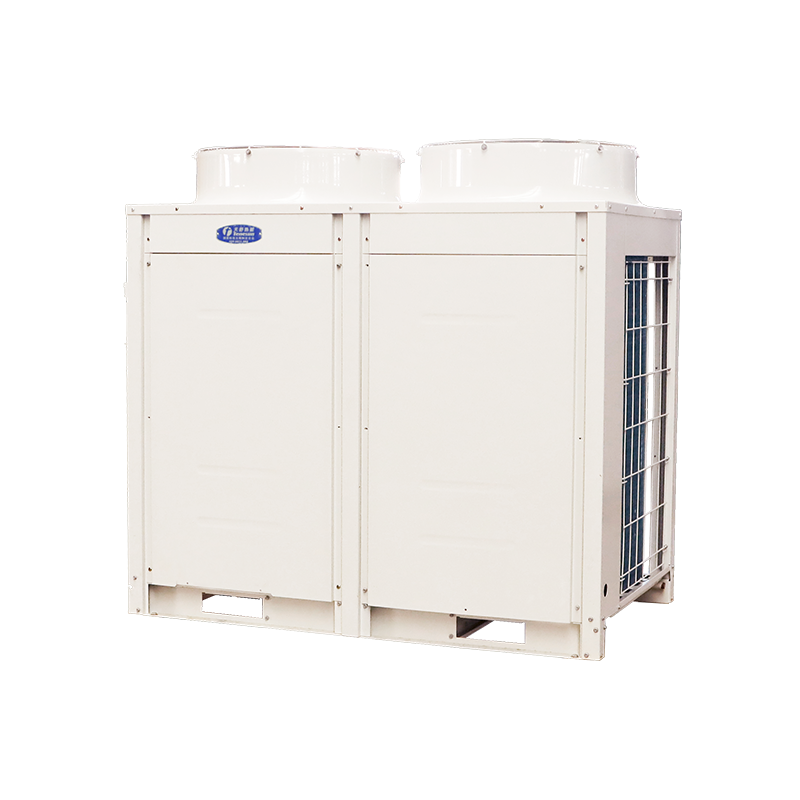
Evaluating the pool heat pump vs gas heater debate requires looking at two distinct financial phases. You must carefully consider both the initial purchase and the ongoing monthly bills.
Your initial investment varies wildly depending on your existing backyard infrastructure. When budgeting for new equipment, do not forget the logistics of delivery and pad placement.
Heat Pumps: These heavy units carry a notably higher initial purchase price. The installation often requires upgrading your home electrical panel. Most units need a dedicated 220V/50-amp breaker to operate safely. Hiring a licensed electrician for this specific upgrade adds substantially to your initial investment. Digging a trench to run a new electrical conduit from your main house panel to the equipment pad costs significant money. The further your equipment pad sits from your home, the higher your wire and labor costs will climb.
Gas Heaters: These units feature a much lower initial equipment cost. However, the installation requires running an underground gas line or setting up a large propane tank. A gas unit typically requires professional gas plumbers. They must pull municipal permits and run pressure tests on the new lines. A 250-gallon propane tank requires a dedicated concrete pad and regular delivery contracts. Trenching and pipe-fitting costs vary heavily based on local contracting rates.
Local energy prices strictly dictate your actual monthly bills. You must compare the cost of natural gas per Therm against electricity per kilowatt-hour (kWh).
Common Mistake: Never assume national average energy prices apply to your specific zip code. Always check your most recent utility bill before calculating potential monthly costs.
Consider the exact math of energy conversion. Natural gas contains roughly 100,000 BTUs per Therm. If your gas unit is 85% efficient, you get 85,000 usable BTUs per Therm. If you pay $1.50 per Therm, you pay $1.50 for 85,000 BTUs.
Now look at electricity. One kilowatt-hour contains 3,412 BTUs. A highly efficient unit with a COP of 5.0 multiplies this energy. You get roughly 17,060 BTUs per kWh. If electricity costs $0.15 per kWh, you spend $0.75 to get approximately 85,300 BTUs. In this scenario, the electric method costs half as much as the gas method for the exact same amount of warmth. This mathematical advantage compounds daily over a typical six-month swimming season.
Heating Cost Comparison Chart
Heating Method | Energy Source | Average Monthly Cost (Moderate Climate) | Efficiency Type |
|---|---|---|---|
Inverter Heat Pump | Electricity (kWh) | $50 - $150 | High Heat Transfer (COP 5+) |
Standard Gas Heater | Natural Gas (Therms) | $200 - $400 | Direct Combustion (85%) |
Propane Heater | Liquid Propane (Gallons) | $400 - $800 | Direct Combustion (85%) |
You should always factor replacement timelines into your long-term backyard budget.
Gas heaters: These units typically last 5 to 10 years. They remain highly prone to internal corrosion. Imbalanced pool chemistry quickly destroys the delicate copper heat exchangers. Gas heaters also require annual professional inspections. Spiders and debris often clog the burner orifices. You must ensure the combustion chamber remains completely clean. Soot buildup significantly reduces thermal efficiency.
Heat pumps: These robust units typically last 10 to 15 years or more. They feature fewer moving internal combustion parts. This simpler internal design results in noticeably lower annualized maintenance costs. You simply need to keep the exterior fins clear of leaves and yard debris. Proper airflow remains critical for extracting heat from the surrounding air. Using a garden hose to gently wash the exterior coil once a season usually suffices.
Your geographic location drastically impacts system performance. The surrounding climate serves as a hidden efficiency multiplier for electric units.
Heat transfer systems absolutely dominate in warmer, humid climates like Florida, Southern California, and Texas. The warmer the ambient air, the higher the COP becomes. When the outside air feels hot and humid, the unit operates at peak efficiency. The air contains abundant free heat to extract. This results in the lowest possible cost to run on a daily basis.
You must understand the widely accepted "50-Degree Rule." A traditional electric unit loses significant efficiency as ambient temperatures drop. Once the air falls below 50°F (10°C), there is very little ambient heat left to extract. The compressor must work overtime to harvest enough warmth. Gas heaters remain infinitely superior for harsh northern climates. They also win easily if you want true year-round winter swimming while snow falls around you.
Surface evaporation causes up to 70% of total pool heat loss. Wind accelerates this cooling process dramatically. Using a solar cover drastically reduces heating costs for both systems. The cover acts as an insulating lid. It traps the generated heat inside the water where it belongs, saving you hundreds of dollars annually.
Modern engineering advancements have revolutionized how we warm our backyard oases. The industry has largely shifted away from outdated single-speed motors toward intelligent variable-speed technology.
Older electric units used basic single-speed compressors. They turned on at 100% power and shut off completely when they reached the target temperature. A modern inverter swimming pool heat pump uses a variable-speed compressor. It speeds up or slows down based on exact real-time demand. Standard on/off units draw massive electrical currents every single time they start up. This frequent, harsh cycling wears out electrical components much faster.
Inverter technology adjusts electrical output dynamically to maintain the exact desired water temperature. Variable-speed models operate much like a car accelerator pedal. Once the water reaches the perfect temperature, the compressor slows down to a gentle crawl. It uses just enough energy to counteract natural surface cooling. This continuous low-speed operation proves far more energy-efficient than constant restarting. It completely avoids massive power spikes upon startup. Under ideal sunny conditions, an inverter unit can easily push its COP up to 10 or higher.
Nobody wants a noisy, distracting backyard. Inverter units provide significantly lower decibel operation compared to traditional single-speed models. They hum quietly in the background while you relax. You avoid the loud, jarring mechanical clunks of standard compressors turning on. You also avoid the loud, roaring flames associated with gas burners.
Your final choice depends heavily on how you actually plan to use your pool week to week.
You want to maintain a consistently warm water temperature for daily swimming.
You live in a southern or moderate region where the swimming season stays consistently above 50°F.
You prioritize long-term return on investment and vastly lower monthly utility bills over a cheap initial purchase.
You already have or plan to install home solar panels to completely offset your local electricity costs.
You only warm the water for occasional weekends, holidays, or special outdoor events.
You need rapid, intense heat-up times on short notice.
You are heating an attached spa. Spas require very quick, steep temperature spikes up to 104°F.
You live in a harsh northern climate and genuinely want to swim in near-freezing winter weather.
Electricity rates in your specific area are astronomically high compared to cheap local natural gas lines.
Always use a high-quality, properly fitted solar cover when you finish swimming for the day.
Run your automated circulation pump during the warmest parts of the afternoon to maximize ambient heat extraction.
Maintain perfect water chemistry balance to prevent premature equipment corrosion inside the heat exchanger.
Block harsh, chilling winds by planting dense landscaping shrubs around the immediate swimming area.
For sustained, daily heating over a long season, an electric heat transfer system costs significantly less to run. It extracts free ambient warmth rather than burning expensive fossil fuels. However, utility costs remain highly localized. Your final buying decision must strictly factor in your regional climate and your family's personal usage habits. There is no single correct answer for every homeowner.
Next Steps:
Calculate your exact pool surface area and total water volume to determine the required BTU output.
Check your recent utility bills to directly compare your specific local kWh rates against natural gas Therms.
Evaluate exactly how frequently you plan to swim each week during the spring and fall shoulder seasons.
Consult a certified local pool technician for an accurate, professional sizing estimate tailored to your backyard.
A: Most standard units shut down below 50°F to protect the internal compressor. Some premium models feature a hot gas defrost cycle. This feature allows them to operate in temperatures down to roughly 35°F. However, they experience massive efficiency loss in freezing weather. You will spend far more electricity for very little temperature gain during severe winter cold snaps.
A: A gas system typically raises water temperatures by 1 to 2 degrees Fahrenheit per hour. An electric unit generally raises temperatures by 0.2 to 0.5 degrees per hour. Gas systems provide rapid, on-demand warmth perfectly suited for spas. Electric units require slow, steady operation over several days to reach the target temperature.
A: Yes, if you swim frequently. Maintaining a consistent temperature with a modern inverter unit is often more economical. Letting the water cool completely and reheating it from scratch requires massive amounts of continuous electricity. Set your desired temperature and let the smart variable-speed compressor maintain it efficiently.
A: Yes. Many owners install a dual hybrid system. They use the electric unit to maintain an affordable, comfortable baseline temperature for the main pool. They then fire up the gas heater specifically to quickly heat an attached spa or to overcome sudden, unexpected cold snaps during the early spring.


