English


Views: 0 Author: Site Editor Publish Time: 2026-10-08 Origin: Site


Heating a pool extends the swim season significantly. However, fear of unpredictable energy bills often delays this exciting purchase decision. You want comfortable water temperatures. At the same time, you probably worry about receiving sky-high monthly utility statements. Manufacturers frequently market these heating systems as highly energy-efficient solutions. Yet, your actual swimming pool heat pump running cost depends heavily on your local environment. Proper equipment sizing and your daily usage habits also play massive roles in final expenses. You need clear facts and accurate data before making a substantial backyard investment. We will provide a transparent, formula-driven breakdown of monthly operating costs. You will explore an objective comparison against gas and solar heating alternatives. This comprehensive guide helps you calculate your exact return on investment. We eliminate the frustrating guesswork from pool heating expenses so you can swim comfortably.
The average monthly swimming pool heat pump running cost ranges from $50 to $150, depending heavily on local electricity rates and climate.
Heat pumps operate on a Coefficient of Performance (COP) of 5.0 to 6.0, meaning they produce 5 to 6 units of heat for every 1 unit of electricity consumed.
Total Cost of Ownership (TCO) must factor in upfront unit costs ($2,000–$5,000), potential electrical panel upgrades, and routine maintenance, not just monthly utility bills.
Failing to use a solar pool cover can increase heating costs by up to 50% due to overnight evaporation and heat loss.
Many homeowners seek a clear financial baseline before contacting a contractor. National averages provide a very helpful starting point. You can generally expect a monthly operating cost between $50 and $150. This benchmark estimate assumes you own a standard 15,000-gallon pool. It also assumes you maintain the water strictly at 80°F (26°C) while living in a moderate climate zone. These numbers reflect typical backyard usage for most families.
Your actual bills will fluctuate noticeably based on the changing seasons. Peak-season maintenance heating requires remarkably little electricity. During mid-summer, your unit simply tops up the minimal heat lost overnight. This efficient process keeps July and August utility bills incredibly low. Conversely, shoulder-season heating costs significantly more. Spring and fall temperatures drop rapidly at night. Ramping up cold water demands much longer run times from the compressor. You should budget accordingly for these specific months.
Buyers must understand the Coefficient of Performance (COP). This crucial metric defines overall heating efficiency. A high-quality swimming pool heat pump boasts a COP rating between 5.0 and 6.0. The machine successfully produces five to six units of heat for every single unit of electricity consumed. It extracts ambient warmth directly from the surrounding air. Traditional electrical resistance heaters possess a maximum COP of only 1.0. Therefore, modern systems deliver an astounding 80% reduction in operating costs. You receive much more thermal energy than you actually purchase.
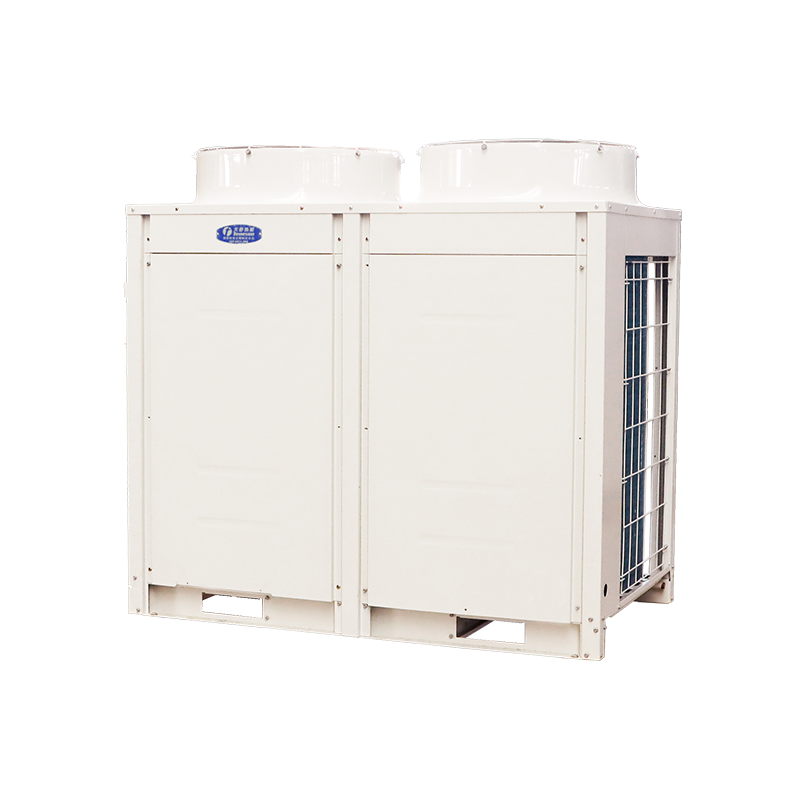
Your monthly utility statement rarely perfectly matches the national average. Five specific environmental and mechanical variables dictate your actual expenses. You can project your exact operating costs by understanding these fundamental factors.
Local Electricity Rates (kWh): Utility companies charge vastly different rates for electrical power. You must multiply the equipment kilowatt draw by your specific local rate. A homeowner paying $0.15/kWh spends significantly less than someone paying $0.35/kWh. Tier-based utility markets complicate this math further. High daily usage might inadvertently push you into a much more expensive billing bracket.
Ambient Air Temperature: These machines extract free warmth from the surrounding atmosphere. They do not generate heat from scratch like a furnace. Performance relies heavily on this ambient outside temperature. Efficiency drops drastically when air temperatures fall below 50°F (10°C). Running costs spike heavily because the compressor works much harder to find heat.
Pool Volume (Gallons/Liters): Total water volume dictates your required heating load. Larger pools demand higher BTU outputs from the equipment. They also require considerably longer daily run times. Heating a massive 30,000-gallon setup naturally costs double the price of heating a 15,000-gallon system.
Target Water Temperature: Every single degree matters financially. A target temperature of 85°F costs far more to maintain than 78°F. As a general industry rule, each degree above 78°F adds roughly 10% to 15% to your energy bill. Keep your temperature expectations realistic to save substantial money over the summer.
Wind Exposure and Evaporation: Environmental exposure accelerates thermal loss rapidly. Strong backyard breezes strip warmth from the water surface instantly. Unchecked evaporation forces the pump to run continuously. Installing windblocks, hedges, and solid fencing helps mitigate this incredibly expensive problem.
Let us review a quick reference chart detailing environmental cost impacts. You can use this data to identify areas for backyard improvement.
Environmental Factor | Optimal Condition | Poor Condition | Estimated Cost Increase |
|---|---|---|---|
Wind Exposure | Fenced backyard layout | Open hilltop exposure | +20% to +30% |
Air Temperature | Above 70°F (21°C) consistently | Below 50°F (10°C) frequently | +40% to +50% |
Target Water Temp | 78°F (25.5°C) Standard | 85°F (29.5°C) Spa-like | +70% to +100% |
Filtration Cycle | Run during warm afternoons | Run during cold nights | +15% to +25% |
Savvy buyers frequently compare different heating technologies before purchasing anything. You must evaluate the long-term return on investment very carefully. Each distinct system presents specific advantages and notable financial drawbacks. Understanding these differences ensures you pick the right technology.
Natural gas and propane heaters offer incredible speed and raw power. They warm water rapidly regardless of outside ambient air temperatures. However, this impressive speed comes at a premium monthly price. The operating cost often skyrockets between $300 and $600 per month. Gas proves excellent for small attached spas or weekend-only heating scenarios. It remains economically unviable for continuous, season-long pool heating. You will simply burn through expensive fossil fuels far too quickly.
Solar thermal panels take a completely different engineering approach. The upfront equipment and professional installation costs run very high. You also need substantial roof space or clear yard clearance. Once installed, solar effectively eliminates monthly utility heating bills entirely. The operating expense becomes practically zero. Unfortunately, solar performance depends entirely on cooperative local weather. Cloudy weeks leave your water cold and uncomfortable. You ultimately sacrifice temperature consistency in exchange for zero operational costs.
Many modern homeowners combine technologies for maximum overall efficiency. An emerging trend pairs a dedicated swimming pool heat pump with a home rooftop solar PV system. The roof panels generate standard household electricity during the day. This clean solar energy directly offsets the mechanical power draw of the compressor. You effectively neutralize the electricity expense over time. This brilliant hybrid strategy delivers incredibly consistent water temperatures alongside predictable long-term financial stability.
Optimizing your backyard setup prevents unnecessary financial waste. Many new owners make highly avoidable mistakes during their first swimming season. You can implement several straightforward efficiency hacks to keep bills minimal. Proactive management protects your equipment and your wallet.
Never buy an undersized unit just to save on the initial purchase price. This common consumer mistake creates an expensive long-term nightmare. An undersized system simply lacks the necessary BTU capacity. It will run 24 hours a day desperately trying to reach the target temperature. This endless mechanical cycle rapidly inflates your monthly electrical expenses. It also burns out the internal compressor prematurely, leading to costly repairs. Always size the equipment correctly for your specific geographic climate and water volume.
Heat retention matters just as much as heat generation. Surface evaporation accounts for the vast majority of thermal loss. You must use a physical barrier to stop this process. Running a heater without a thermal pool cover guarantees artificially inflated utility bills. Failing to cover the water overnight wastes massive amounts of paid energy. A simple bubble cover traps warmth effectively and stops evaporation instantly. We strongly mandate using one every night to minimize expensive temperature drops.
Timing your equipment cycles correctly boosts overall system efficiency. Remember the core physics of ambient air extraction. The system operates most efficiently during the warmest parts of the day. A higher ambient temperature yields a much higher COP rating. Program your circulation and heating cycles strictly for the afternoon. Avoid running the demanding compressor at night when the air turns cold. Smart scheduling maximizes your free heat extraction and lowers utility costs.
Selecting the correct model requires basic math and careful product research. You want a durable system capable of handling your specific climate zone. Follow a clear shortlisting logic to protect your household budget effectively. Proper sizing guarantees both comfort and affordable operation.
British Thermal Units (BTUs) measure overall heating capacity. One BTU represents the exact energy required to heat one pound of water by one degree Fahrenheit. You must match the BTU output to your pool surface area and total gallons. Buying a unit with excess capacity often yields better efficiency than an undersized one. We provide a quick reference sizing baseline below to guide your initial search.
Pool Volume (Gallons) | Surface Area (Sq Ft) | Recommended BTU Range |
|---|---|---|
Up to 10,000 | Up to 300 | 50,000 - 70,000 BTUs |
10,000 to 15,000 | 300 to 500 | 70,000 - 90,000 BTUs |
15,000 to 20,000 | 500 to 650 | 90,000 - 110,000 BTUs |
Over 20,000 | Over 650 | 110,000 - 140,000+ BTUs |
Do not blindly trust generic manufacturer marketing claims. Guide your product search using AHRI-certified COP ratings. The Air-Conditioning, Heating, and Refrigeration Institute provides standardized, unbiased testing. Look closely at how units perform at different temperature thresholds. A common standard test is the 80/80/80 benchmark (80°F air, 80% humidity, 80°F water). Compare this directly against the much colder 50/50/80 test results. You want a robust machine that maintains a strong COP even when the air hits 50°F.
You now understand the fundamental performance variables. We strongly encourage you to audit your current home electrical panel capacity. These heating units typically require a dedicated 220V/50-amp electrical breaker. Request a professional sizing calculation before finalizing any online purchase. A site-specific audit ensures you buy the perfect, most efficient machine for your backyard environment.
Investing in comfortable water transforms your backyard lifestyle entirely. You unlock months of additional swimming time for your family. The initial equipment investment sits slightly higher than traditional gas heaters. However, the monthly operating costs offer unparalleled predictability and outstanding value. You secure the lowest long-term expense for consistent, season-long swimming comfort. Relying on ambient air extraction simply makes the most logical financial sense. You successfully avoid the shocking winter utility bills heavily associated with natural gas systems.
Take action today to extend your swim season affordably. Use a proprietary online BTU calculator to determine your exact household needs. Check your backyard for severe wind exposure and plan for a quality solar cover. Request a comprehensive quote from a reputable supplier to gauge local pricing.
Consult with a local installation expert to get a highly specific site analysis. They will evaluate your electrical panel capacity and plumbing layout accurately. Armed with these transparent formulas, you can calculate your exact return on investment. Make an informed, data-driven decision and enjoy beautifully warm water all summer long.
A: Daily run times vary strictly based on your temperature goals. Initial heating often requires 24 to 72 hours of continuous operation to reach the target temperature. Once the water warms up, routine maintenance heating typically requires only 4 to 8 hours daily. Using a solar cover drastically reduces the daily run hours needed to maintain warmth.
A: Standard models struggle severely when ambient air falls below 50°F (10°C). There is simply not enough ambient warmth to extract efficiently. If you want true winter swimming, you must purchase a specialized "chill/heat" reversible model. These advanced units utilize active hot-gas defrost cycles to operate in near-freezing temperatures without icing over.
A: It uses significantly less power than traditional electric resistance heaters. A standard unit typically draws between 4 to 6 kilowatts per hour of operation. This electrical draw closely mirrors a large central air conditioning system running in your home. Thanks to high COP ratings, the actual electricity consumed remains remarkably efficient.
A: Yes, maintaining a constant temperature usually costs less overall. Letting the water drop by 10 degrees forces the compressor to run continuously for days to recover. This massive reheating effort consumes excessive amounts of electricity. Setting a stable temperature and using a cover allows the machine to cycle on briefly for cheap, efficient maintenance.


